
How to Kill Your Customer Experience in 6 Seconds
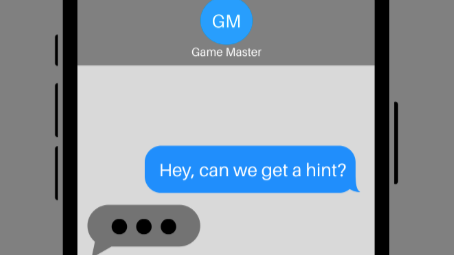
A team gets stuck. They ask for help. They wait.
Six seconds pass. Then fifteen. Then twenty.
That's all it takes. The experience you worked so hard to create just slipped away.
The Best Rooms Rarely Need Hints
Let's be honest: hint systems are a backup plan. The best-designed rooms minimize hint requests in the first place.
They weave guidance into the experience itself. A spotlight subtly illuminates the right area. A prop reveals itself at just the right moment. An audio cue draws attention where it's needed. Players never feel stuck because help arrives before they even realize they need it.
But even the best designs can't anticipate everything. Teams still get stuck in unexpected places. And when they ask for help, your response time matters more than you might think.
Why 6 Seconds Matters
Research on over 26,000 people found Americans start feeling awkward after just 6.3 seconds of silence. In a high-stakes escape room, that threshold is even shorter.
When a team requests a hint, the clock starts ticking in their heads. After six seconds, they stop thinking about your puzzle and start wondering if something's broken. All that narrative and clever design you poured into your room? It fades into the background while they wait for acknowledgment.
The Hidden Cost
Here's what hurts most: one slow response changes behavior for the rest of the game.
Ten minutes later, the team hits another wall. Someone suggests asking for help. But now they hesitate. "Let's try a bit longer first."
They've learned that asking for help means an uncomfortable wait. So they'll struggle for five more minutes rather than reach out—even when they genuinely need it.
That's how you end up with lower escape rates and reviews saying "we couldn't get help when we needed it." The team leaves thinking they failed, when really the system let them down.
Two Things to Focus On
First, design rooms that guide players naturally. The less they need to ask, the better.
Second, when they do ask, respond in under 6 seconds. Every time. Track it like you track escape rates.
When help is seamless—whether woven into the room or delivered instantly—teams stay immersed. They leave feeling like they had a great experience, because they did.